Native vs Exotic Plants: Choosing the Right Mix for Your Melbourne Garden
Should you plant natives or exotics in your Melbourne garden? Discover the pros and cons of each and how to create a thriving, low-maintenance landscape.
The Great Plant Debate
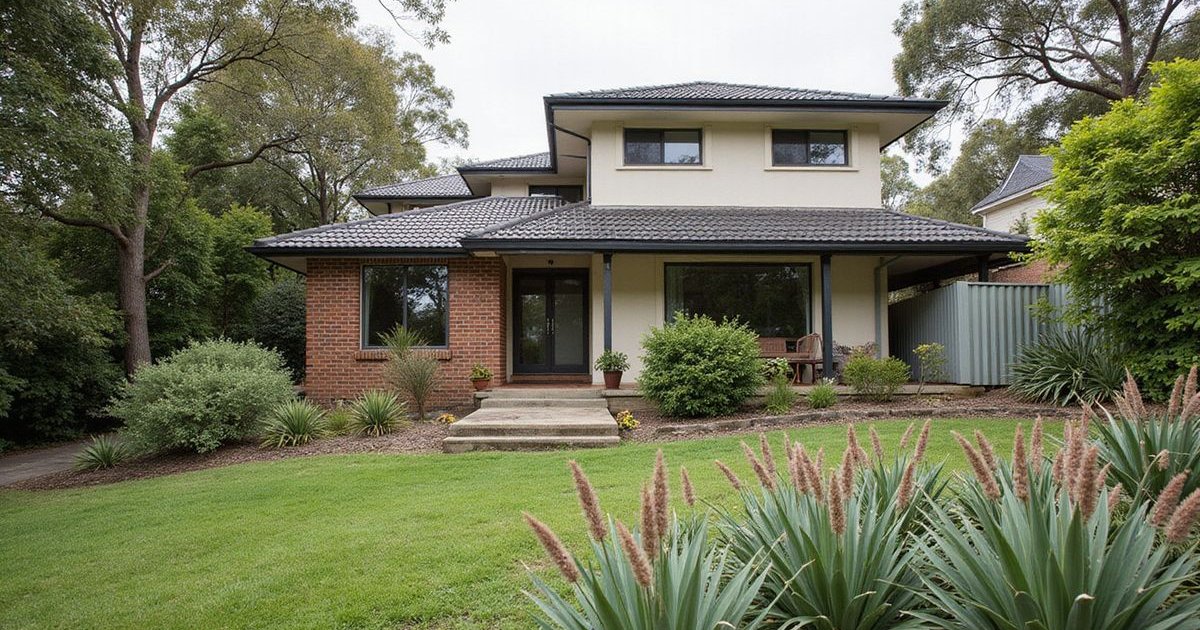
You know the specific anxiety of watching a Melbourne garden bake during a string of 35-degree January days. It is a challenge we face constantly when designing for the heavy clay soils and steep slopes typical of the north-eastern suburbs.
We see this hesitation on almost every project. Homeowners often feel torn between the rugged resilience of the Australian bush and the seasonal softness of European landscapes.
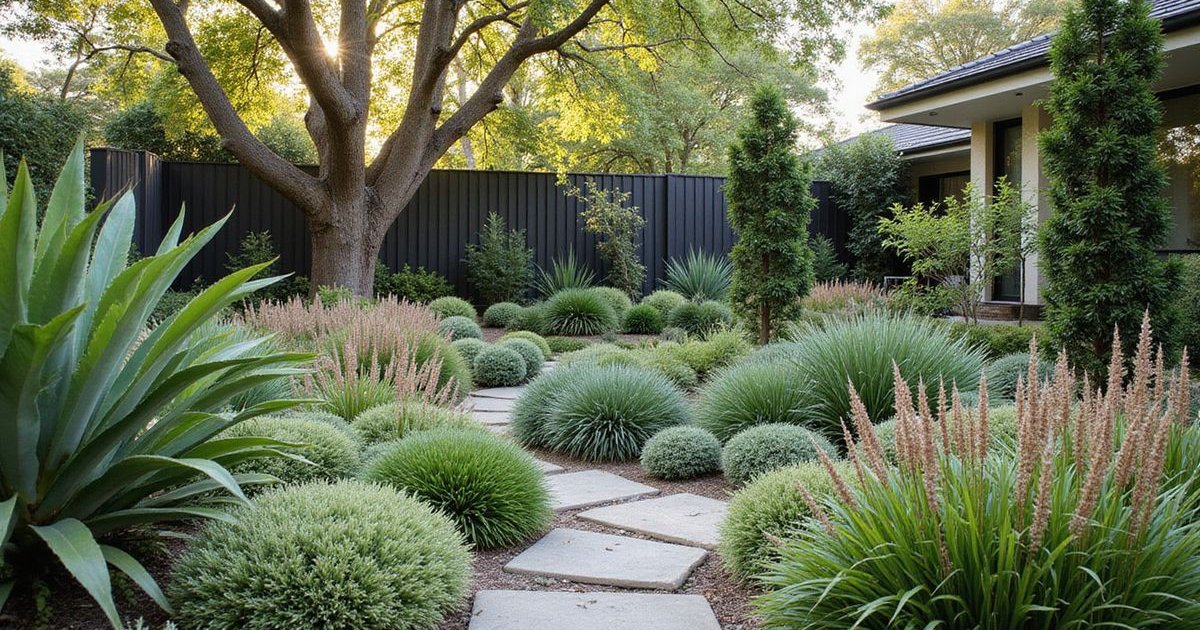
There is no need to pick a single side. The most successful landscapes in our portfolio usually ignore rigid categories in favor of what actually works for the site conditions. This guide breaks down the data and design principles you need to choose the right mix for your property.
The Case for Native Australian Plants
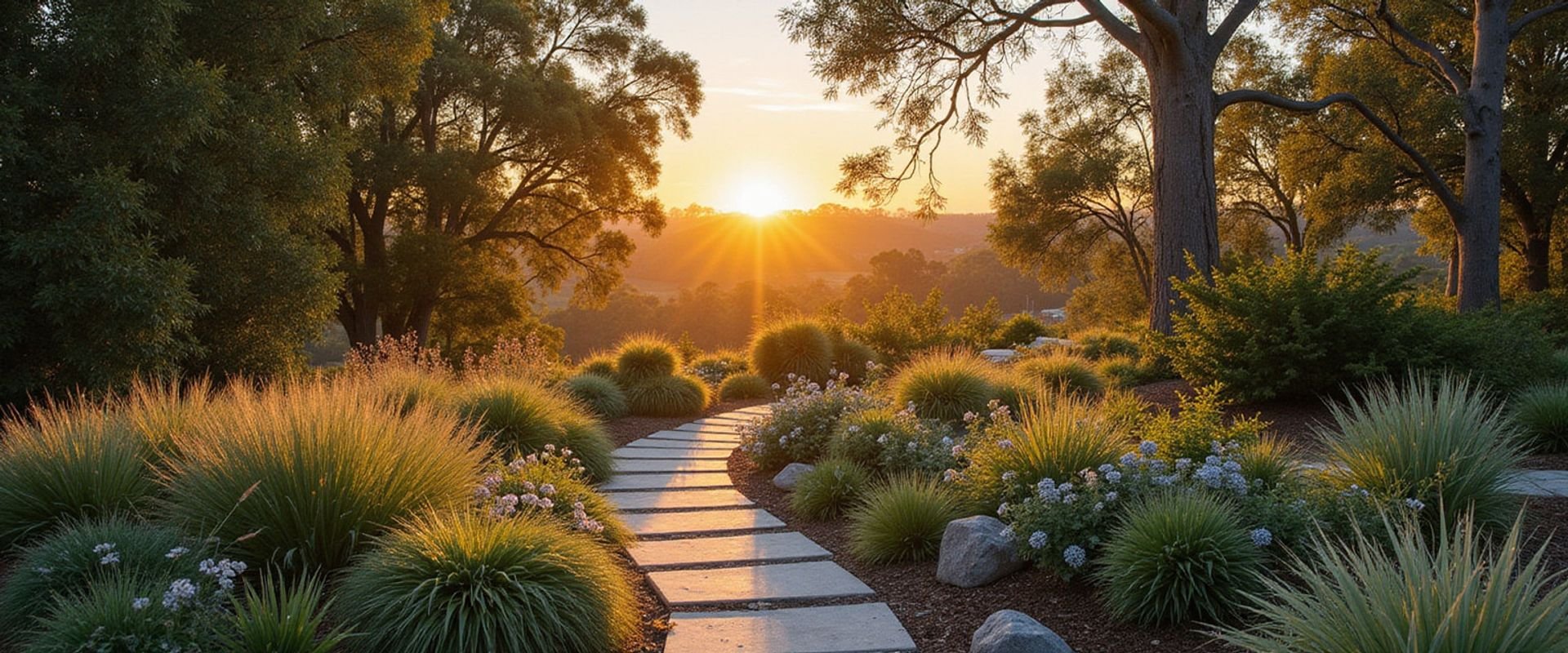
Native plants have spent millions of years adapting to this exact environment. This evolutionary head start offers tangible benefits for homeowners dealing with Melbourne’s erratic weather patterns.
Advantages of Native Plants
Climate Adaptation and Resilience Native species are genetically wired for our “four seasons in one day” reality. We find that established indigenous plants can handle the swing from a wet spring to a dry, scorching summer without the stress signals common in imported species.
Lower Resource Inputs Plants growing in their ancestral conditions logically require less intervention.
- Fertilizer: Most Australian natives thrive in low-phosphorus soils and do not need the heavy feeding required by hungry exotics like roses.
- Pest Resistance: Local flora has co-evolved with local fauna. While nothing is immune, a healthy Callistemon (Bottlebrush) is generally far more resilient against local pests than a stressed exotic shrub.
Genuine Wildlife Support A garden rich in natives acts as a functioning service station for local biodiversity. We frequently see King Parrots, Rainbow Lorikeets, and Blue-tongue Lizards returning to properties once indigenous food sources are reintroduced.
Real-World Water Efficiency
The cost of water in Melbourne is rising, with tier 2 residential usage rates from retailers like Yarra Valley Water often exceeding $3.50 per kilolitre.
We prioritize natives because they significantly reduce this overhead. Data suggests that a well-designed native garden can reduce outdoor water usage by 40% to 50% compared to a traditional lawn-and-border layout.
Considerations with Natives
Soil Specificity Matters A “native” plant is not a magic bullet if it comes from the wrong region. A Grevillea native to the sandy soils of Western Australia may rot quickly in the heavy mudstone clay of Nillumbik or Manningham.
The Aesthetic Shift Native gardens often rely on texture and foliage contrast rather than showy blooms. If you love the structured, manicured look of English box hedges, the looser form of a Westringia might take some getting used to.
| Feature | Indigenous/Native | Exotic/Imported |
|---|---|---|
| Summer Resilience | High (dormancy mechanisms) | Variable (often needs water) |
| Soil Preference | Low phosphorus, specific drainage | Generally tolerant of rich soil |
| Pruning Needs | Tip prune after flowering | Structural pruning often required |
| Winter Sun | Mostly Evergreen (blocks sun) | Deciduous options (admits sun) |
The Case for Exotic Plants
Exotic species refer to plants originating outside Australia, including those from Europe, Asia, and the Americas. We have used these plants in Melbourne landscapes for decades because they fill specific functional gaps that natives sometimes cannot.
Advantages of Exotic Plants
Solar Passive Design Benefits This is perhaps the strongest argument for including exotics in a Melbourne home.
- Winter Light: Most Australian natives are evergreen, meaning they cast shade year-round.
- The Solution: We often place exotic deciduous trees like Ornamental Pears (Pyrus) or Maples (Acer) on the northern side of a house. They block the harsh summer sun but drop their leaves to let precious warmth in during July and August.
Proven Performance in Clay Many exotics are incredibly tough and well-suited to the eastern suburbs’ heavy soil. Plants like Camellias (Japonica and Sasanqua) thrive in the acidic clay soil found across Melbourne’s east, providing reliable winter flowers when most natives are dormant.
Formal Structure and Control If your architectural style demands clean lines and geometric shapes, exotics often perform better. We find that plants like Buxus (Box) or Laurus nobilis (Bay Tree) tolerate hard clipping into hedges or topiaries much better than most native equivalents.
Considerations with Exotics
Higher Water Demand Many popular exotics originate from climates with reliable summer rainfall. Keeping a Hydrangea happy in a Melbourne February requires significant irrigation, which impacts both your water bill and environmental footprint.
Pest Vulnerability Stressed plants are targets. An exotic plant struggling with heat stress sends out chemical signals that attract pests like aphids and scale.
Invasive Potential Some garden favorites of the past are now classified as environmental weeds. We strictly avoid plants like Agapanthus (unless sterile varieties) or English Ivy near bushland zones, as they can escape and smother local ecosystems.
The Best of Both Worlds
Most high-end landscape designers in Melbourne advocate for a “fusion” approach. We utilize a strategy known as hydro-zoning to blend these plants successfully without wasting water.
Strategies for Successful Blending
Hydro-Zoning Your Layout Group plants with similar water needs together.
- Zone 1 (High Use): Place thirsty exotics (lemon trees, ferns, hydrangeas) near the house or alfresco areas where you can water them efficiently.
- Zone 2 (Low Use): Fill the outer perimeter, fence lines, and difficult slopes with drought-tolerant natives that survive on rainfall alone once established.
Natives as the Backbone Use Australian plants to do the “heavy lifting” of the design. We recommend using natives for screening boundaries, groundcovers to suppress weeds, and windbreaks.
Exotics as Seasonal Highlights Treat exotics as the jewelry of the garden. Use a Japanese Maple as a focal point in a courtyard or plant a bed of roses near the front path for fragrance. These specific placements offer high impact for the maintenance required.
Matching Microclimates
Every property has distinct microclimates.
- The South Side: A cool, shaded southern wall is perfect for exotic Winter Daphnes or Ferns.
- The West Side: A hot, exposed western slope requires the toughness of natives like Correa or Lomandra.
Native Selections for Melbourne Gardens
If you want to increase the ratio of natives in your garden, the following species have a proven track record in local clay and loam soils.
Reliable Performers
Feature Trees
- Silver Princess (Eucalyptus caesia): Stunning weeping habit, though needs good drainage.
- Flowering Gum (Corymbia ficifolia ‘Baby Orange’): A grafted variety perfect for smaller suburban backyards.
- Coastal Banksia (Banksia integrifolia): incredibly hardy and bird-attracting.
Screening Options
- Coastal Rosemary (Westringia fruticosa): Can be clipped almost like box hedging.
- Tea Tree (Leptospermum ‘Aphrodite’): Offers lovely pink flowers.
- Bottlebrush (Callistemon varieties): Bulletproof screening for difficult spots.
Groundcovers and Accents
- Creeping Boobialla (Myoporum parvifolium): An excellent lawn substitute for low-traffic areas.
- Fan Flower (Scaevola albida): Provides purple carpet coverage.
- Running Postman (Kennedia prostrata): great for binding loose soil on embankments.
The Environmental Context
Regulatory requirements are a major factor for homeowners in the “Green Wedge” shires. We frequently navigate planning permits in Nillumbik and Manningham where Environmental Significance Overlays (ESO) dictate planting choices.
Councils often require that 70% to 100% of new plantings be indigenous to the local area. These rules exist to protect the unique bushland character and maintain corridors for wildlife movement.
Even without a council overlay, planting natives near bushland reserves is a responsible choice. Gardens that connect with the natural landscape support the biodiversity of the entire suburb, not just your block.
Making Your Decision
The choice between native and exotic is rarely all or nothing. It is about placing the right plant in the right place to minimize work and maximize enjoyment.
Consider these factors before you buy:
- Soil Composition: Have you tested if your soil is clay, sand, or loam?
- Sun Aspect: Where does the harsh western sun hit your garden in January?
- Maintenance Budget: How many hours per week do you realistically want to weed and prune?
- Council Overlays: Are you in a vegetation protection zone?
A professional assessment can save you years of trial and error. Our landscape design service includes soil and terrain analysis to create a palette that thrives, ensuring your investment grows rather than withers.
Need help selecting the right plants for your Melbourne garden? Contact us for expert advice tailored to your property and lifestyle.
Tags
David Claude Team
Award-winning landscape design team serving Melbourne's north-eastern suburbs for over 30 years.